
Delivering genetic material with precision
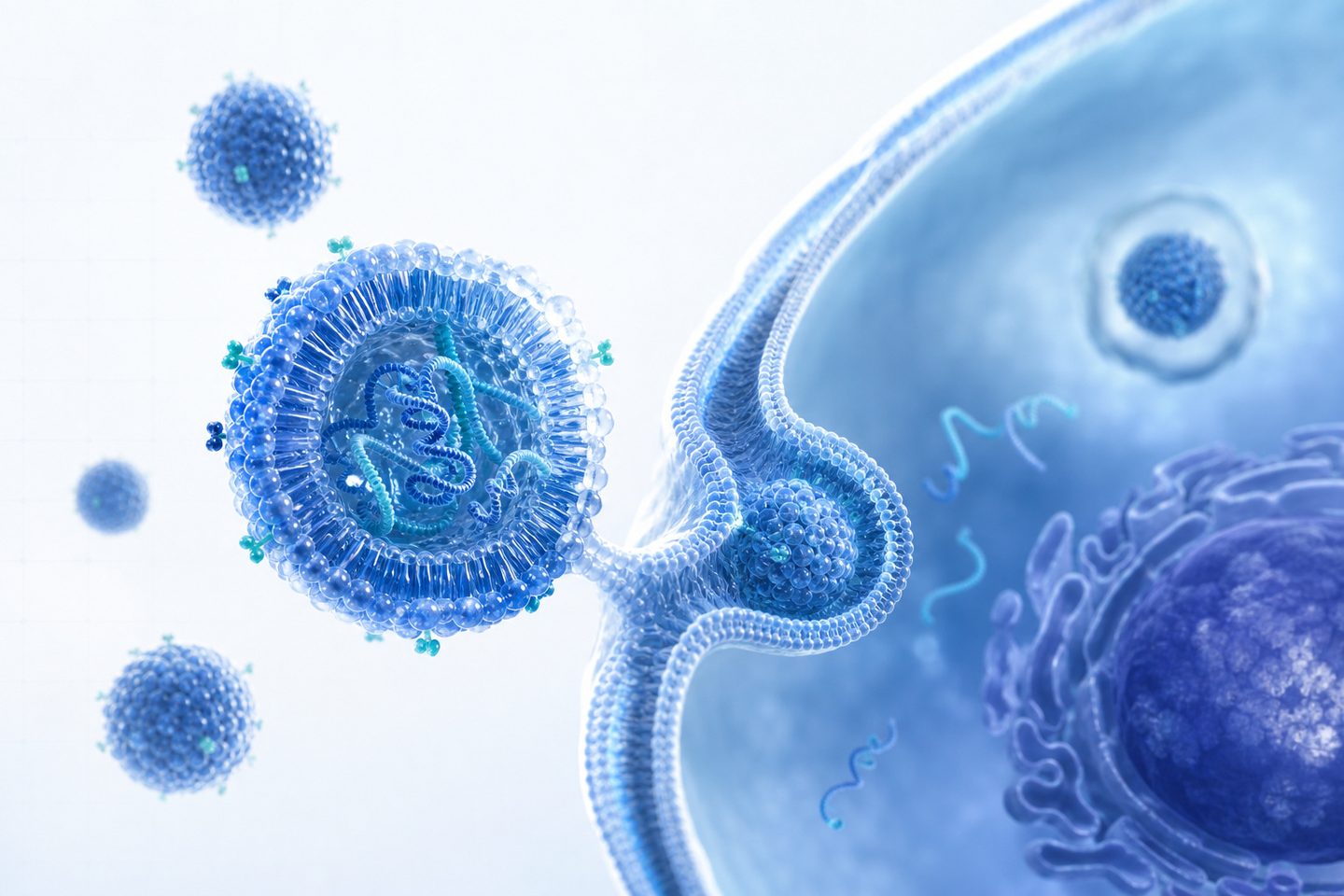
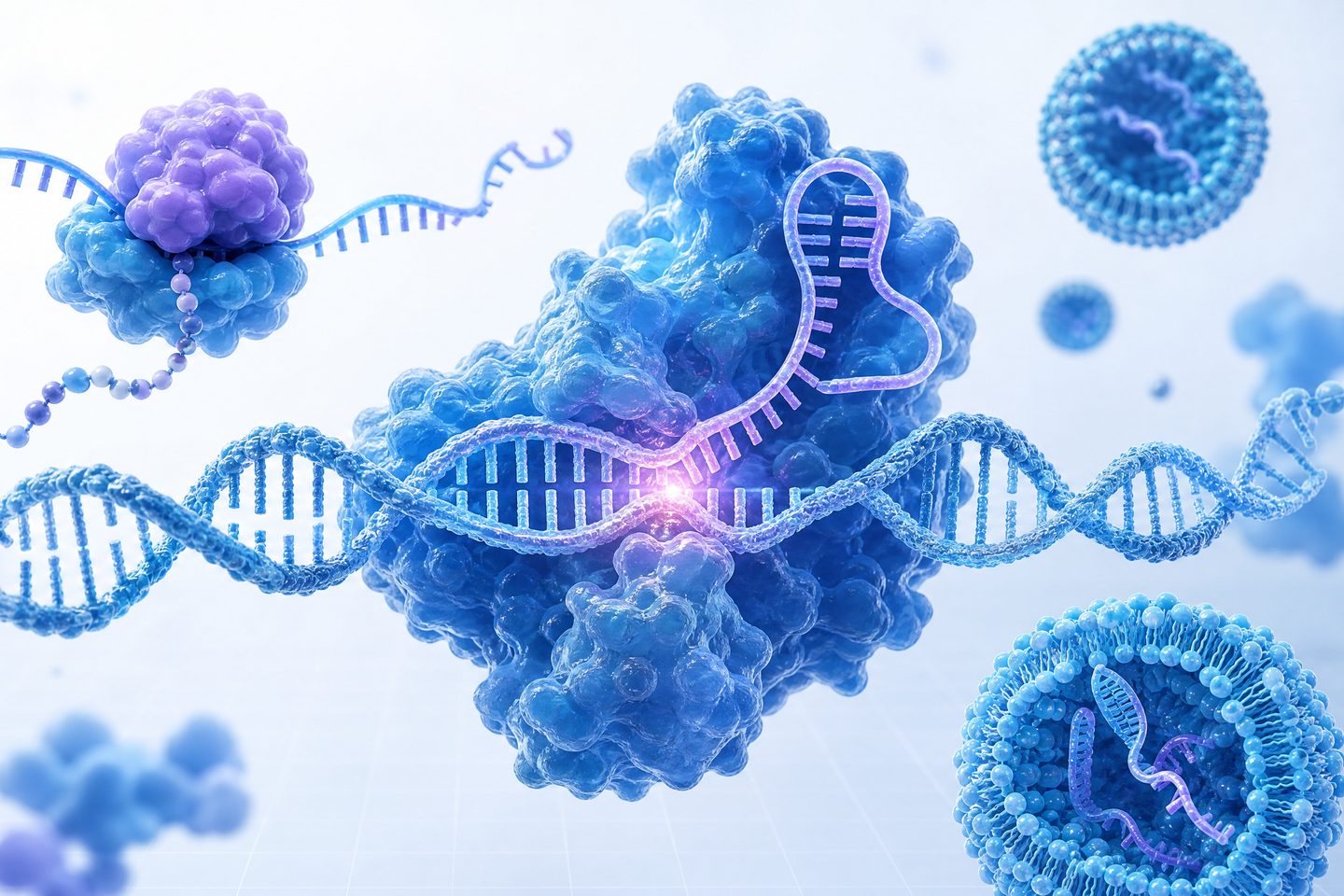
Transfection introduces DNA, RNA or CRISPR components into eukaryotic cells. With the right reagent and an optimised protocol, you get high efficiency, low toxicity and reproducible results across diverse cell types.
Choose your path
Four capabilities, one integrated nanomedicine stack
Each layer is developed in-house, which means a payload can move from carrier design to scale-up without losing characterisation data.
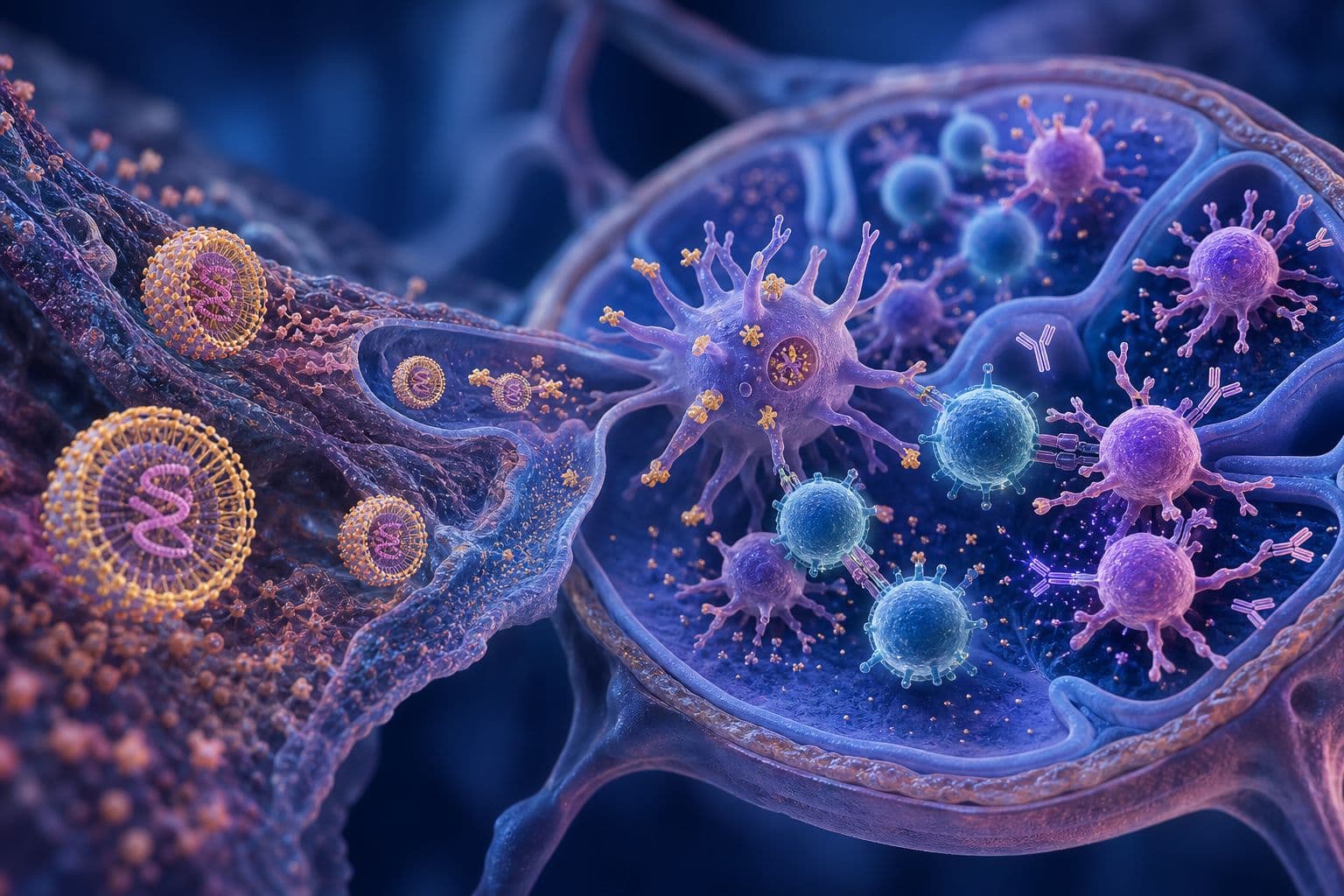
Ionisable lipid nanocarriers
Ionisable lipid nanoparticles tuned at the ångström level for endosomal escape, giving mRNA and siRNA payloads a clean path into the cytosol.
Ligand-guided targeting
A screening engine that pairs aptamers and affibodies with surface receptors, then validates biodistribution in organ-on-chip models before animal work.
Quantum-dot biosensing
Cadmium-free quantum dots detect protein biomarkers at femtomolar concentrations, turning a benchtop reader into a diagnostic-grade instrument.
Scalable microfluidic formulation
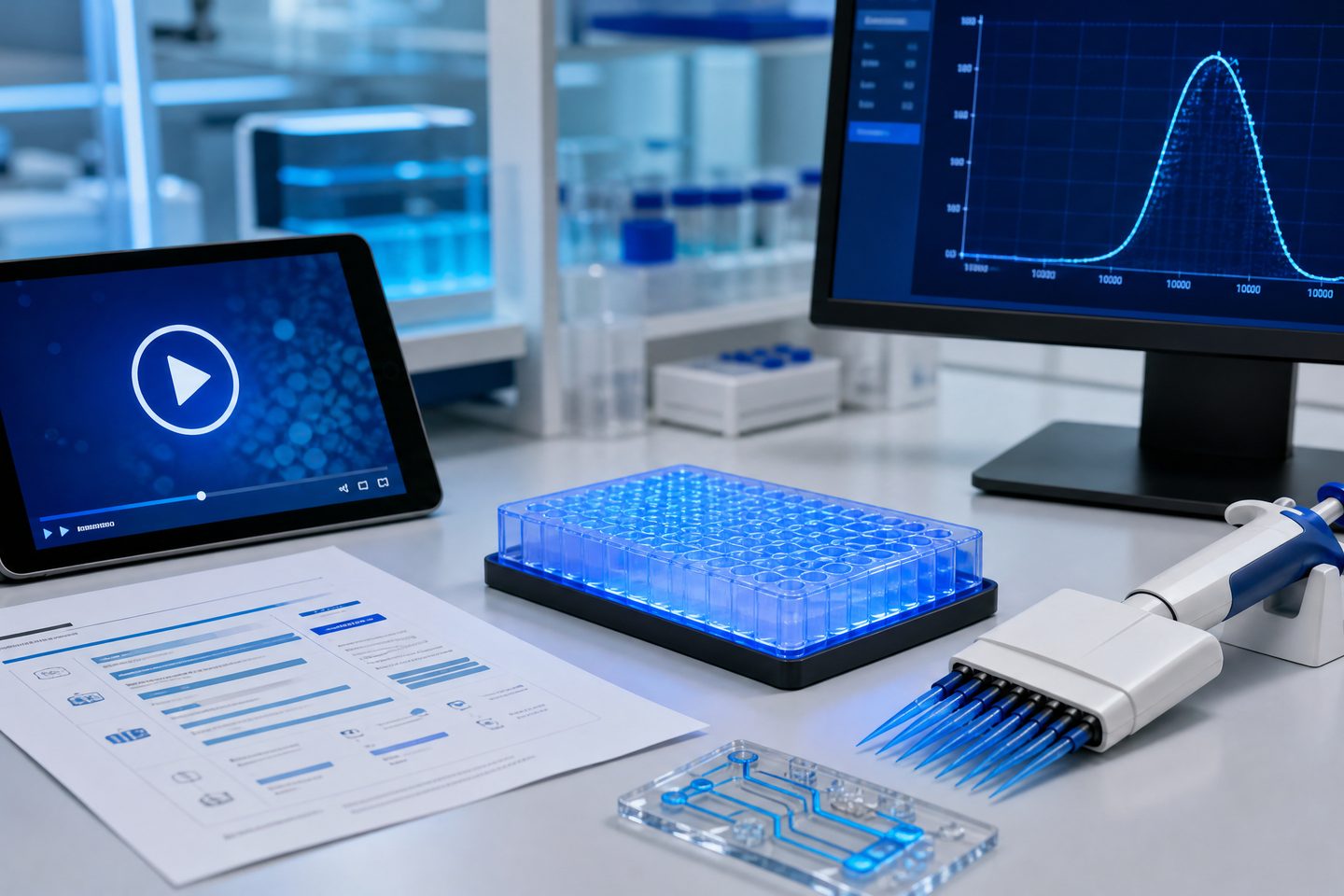
Microfluidic mixing at controlled flow rates gives reproducible particle size and low polydispersity, from small screening batches upwards.
Two research areas, eleven sub-topics
We publish the reasoning behind each design decision — from the physics of endosomal escape to the pharmacokinetics that decide whether a carrier ever reaches its target.
Non-viral Gene Delivery
Lipid-, polymer-, hybrid- and inorganic-based reagents, and extracellular vesicles — every route to getting nucleic acids into a cell without a virus.
Explore this area 6 sub-topicsDrug Delivery
From physicochemical principles and pharmacokinetics to administration routes, controlled release, targeting and the path to manufacturing.
Explore this area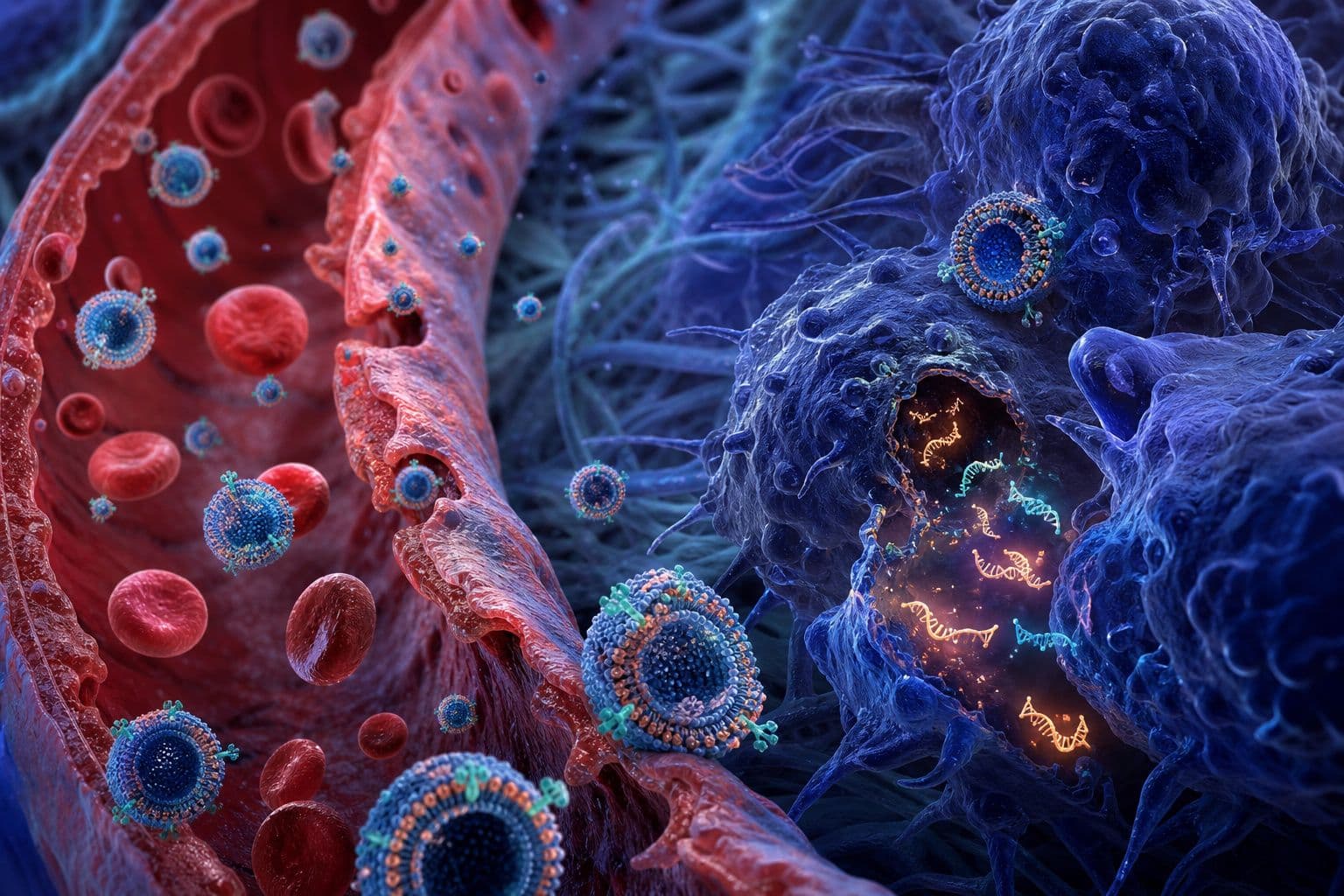
Therapeutic areas we are advancing
The carriers are designed around the biological barrier they must cross, not adapted from a single generic formulation.
Oncology
Tumour-selective delivery
Charge-shifting carriers stay inert in circulation and activate in the acidic tumour microenvironment, sparing healthy tissue.
Immunology
Self-amplifying vaccines
Thermostable formulations hold potency for 30 days at 4 °C, removing the ultra-cold chain from distribution planning.
Neurology
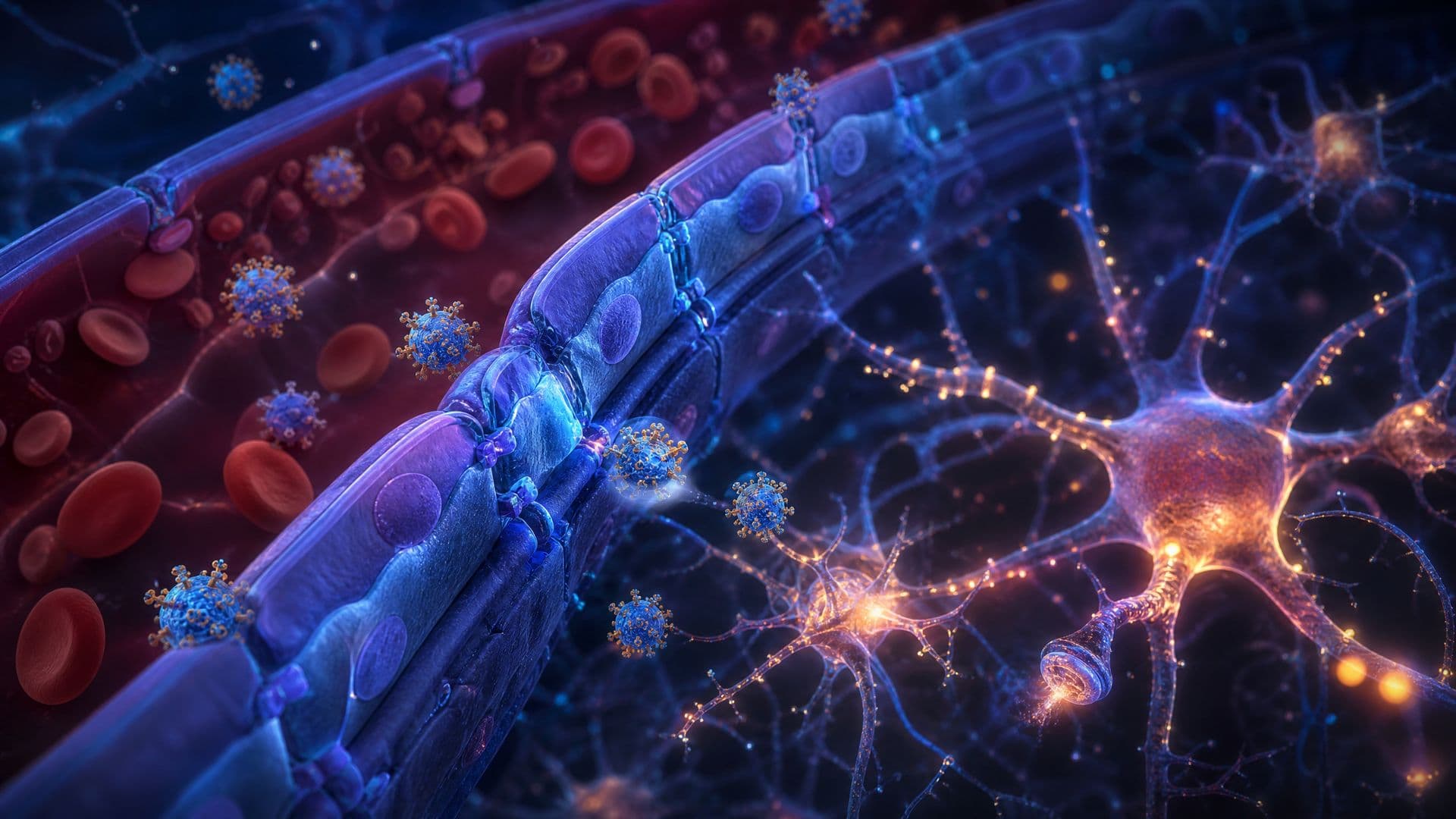
Blood–brain barrier transit
Transferrin-receptor shuttles carry oligonucleotide payloads into the CNS at concentrations conventional carriers cannot reach.
From target hypothesis to clinical supply
A staged programme with clear decision gates, so partners know what they learn and when.
Target definition
Receptor mapping, payload feasibility and a go/no-go readout in six weeks.
Carrier engineering
Design-of-experiments across lipid ratios, PEG density and surface ligands.
Preclinical validation
Organ-on-chip, then in-vivo biodistribution, toxicology and potency panels.
Scale-up & transfer
Process scale-up, characterisation data and documentation for transfer to a manufacturing partner.
What is moving in delivery science
Sourced updates on lipid and polymer nanoparticles, non-viral gene transfer, biosensors and manufacturing.
· Nanowerk
Biodegradable microneedle particles boost drug delivery through the skin
Tiny spiked particles mixed into creams create microscopic openings in the skin, increasing delivery of a tested skincare compound nearly 37-fold without requiring injections or patches.
Read more →· STAT
STAT+: New tumor cases show common gene therapy tool can come with risk
New cases show AAV gene therapies like Zolgensma carry tumor risks, raising key concerns for SMA patients and gene therapy researchers in general.
Read more →· Nature
In Vivo CRISPR Base Editing of ANGPTL3 for Durable Lipid Lowering
Reported by Nature. Follow the link to read the original article.
Read more →Let's engineer the next delivery breakthrough together
We co-develop nanocarrier and biosensing programmes with pharma, biotech and academic groups — from target selection through scale-up.